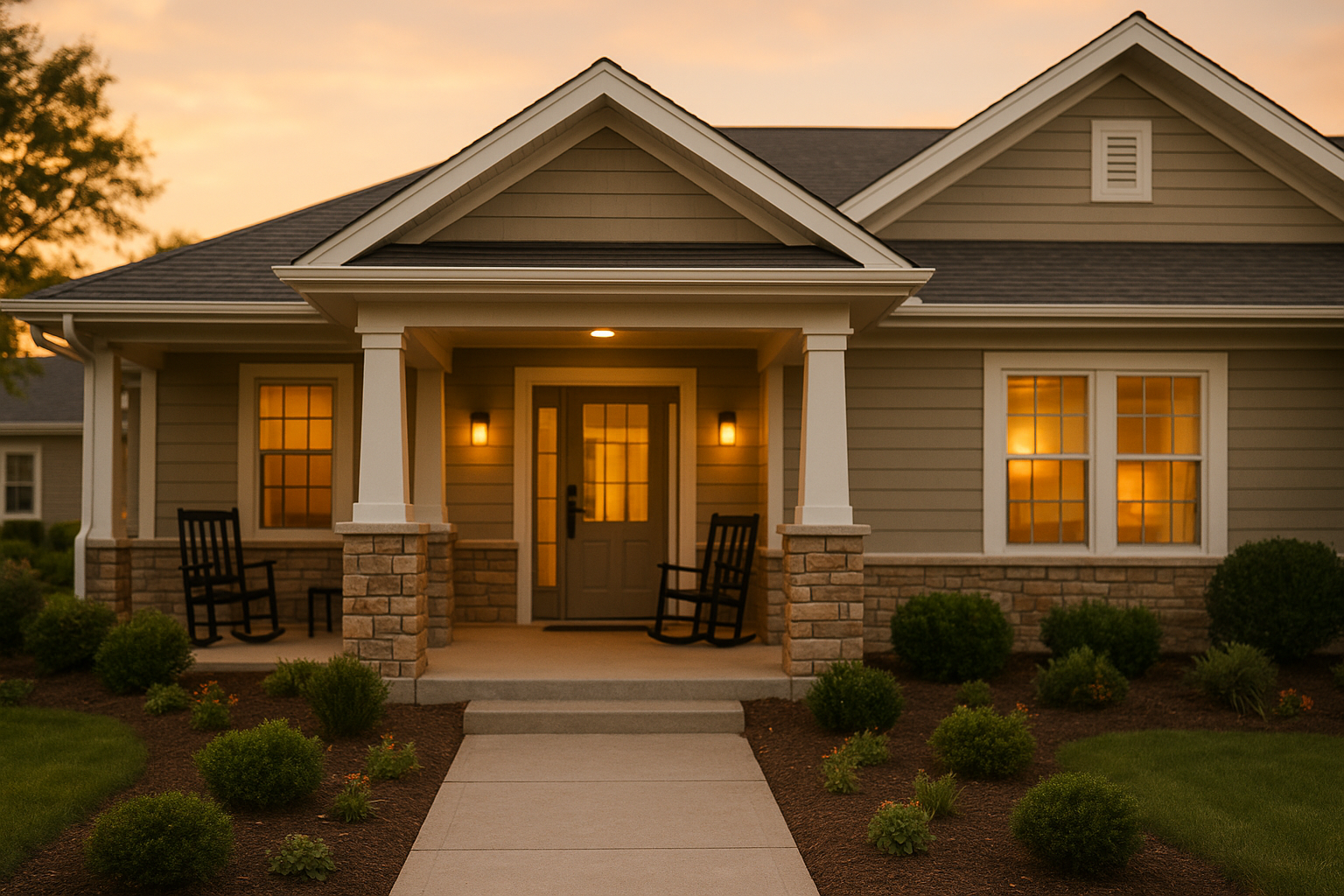
Owner financing for an assisted living facility is when the seller lets you pay for the home over time instead of requiring a full bank loan at closing. For buyers of smaller residential care homes, it can be one of the most flexible ways to get a deal done — and for sellers, a way to attract more buyers and spread out the tax hit. Here''s how it actually works.
In this guide
- What owner financing means for a care-home purchase
- How a typical seller-financed deal is structured
- Owner financing vs. an SBA loan
- The risks both sides need to manage
Key takeaways
- The seller becomes your lender; you pay a down payment plus installments over an agreed term.
- Terms — down payment, rate, length, balloon — are fully negotiable.
- It often closes faster and with less paperwork than bank or SBA financing.
- Both sides need clear legal documents and a plan for the license and default scenarios.
What is owner financing for an assisted living facility?
Owner financing means the seller carries the note: you agree on a price, put money down, and pay the rest directly to the seller with interest over time. The bank is out of the middle. It shows up most on smaller, owner-operated residential assisted living homes, where the seller owns the property outright and is motivated to sell to the right operator.

How is a seller-financed care-home deal structured?
A typical structure has four negotiable levers. Because nothing is standardized, the details decide whether the deal is good for you.
| Term | Typical range | Why it matters |
|---|---|---|
| Down payment | ~10%–30% | Lower down helps buyers; higher protects sellers |
| Interest rate | Negotiated, often above prime | Compensates the seller for carrying risk |
| Term / amortization | 5–20 years | Sets your monthly payment |
| Balloon payment | Common at 3–7 years | You refinance out by then |
Many deals are hybrids — the seller carries a second note behind a bank or SBA loan to bridge a gap in the down payment.

Owner financing vs. an SBA loan — which is better?
Owner financing wins on speed and flexibility; an SBA loan wins on lower long-term rates and larger loan sizes. If you need to close fast, have a thinner file, or the facility is small, seller financing can be ideal. If you want the lowest rate and longest amortization on a larger deal, the SBA 7(a) route usually costs less over time. Many buyers combine both.
What are the risks — for buyers and sellers?
The biggest risks are a weak contract and an unclear plan for the license. Buyers should confirm the license transfers cleanly (the CHOW) and that the home can operate profitably enough to make payments; sellers should vet the buyer''s operating ability and secure the note against the property. Both sides need real legal documents — a promissory note, security agreement, and clear default remedies — not a handshake.
Structure it with people who know care homes
Seller-financed care-home deals live or die on structure. Connect with a specialized assisted living agent who has papered these deals before, and read our overview of what it costs to buy an assisted living facility to frame your numbers.
This is informational only and not financial, legal, tax, or investment advice. Owner-financing terms and their tax and legal consequences vary — consult a qualified attorney, accountant, and lender before signing.